The Yoga Community: Building Connection Through Movement and Mindfulness
In an increasingly digital world, the yoga community stands as a powerful testament to human connection through shared experiences of movement and mindfulness. This vibrant network brings together individuals from diverse backgrounds who unite under the common goal of enhancing physical well-being, mental clarity, and spiritual growth.
The yoga community is more than just a collection of practitioners; it’s a dynamic ecosystem that fosters support, inspiration, and transformation. From local studios to global online forums, these spaces cultivate environments where people can explore their potential while building meaningful relationships.
Cultivating Inclusivity in Modern Yoga Spaces
The modern yoga community has made significant strides toward inclusivity by embracing diversity in age, body type, ability level, and cultural background. Studios now offer adaptive classes specifically designed for wheelchair users, seniors, and those with chronic conditions, ensuring everyone can experience the benefits of yoga.
Many instructors undergo specialized training to create inclusive atmospheres, using trauma-informed teaching methods that prioritize consent and personal boundaries. This approach helps build trust among participants, making yoga accessible to those who may have felt excluded previously.
- Diverse class offerings: Schools now provide prenatal yoga, postnatal recovery sessions, and gentle flow options tailored for different needs and abilities.
- Cultural sensitivity: Teachers are encouraged to learn about various traditions and avoid appropriating practices without understanding their origins or significance.
Online platforms contribute significantly to accessibility by offering virtual classes at varying price points and allowing participation from anywhere in the world. This flexibility ensures that geographic limitations don’t prevent individuals from joining the yoga community.
Community events such as free open houses and beginner workshops further promote inclusivity by removing financial barriers and creating welcoming entry points for new practitioners.
Fostering Connections Within Local Yoga Communities
Local yoga communities play a crucial role in nurturing interpersonal connections beyond the mat. These groups often organize social gatherings, charity events, and wellness retreats that encourage deeper engagement between members.
Meditation circles, chanting sessions, and philosophy discussions add layers of depth to the traditional practice of yoga. Such activities help cultivate a sense of belonging while promoting holistic development within the group.
Growing Participation Across Age Groups
Recent surveys indicate that yoga participation spans across generations, with notable increases among older adults seeking low-impact exercise and younger populations exploring mindfulness techniques. According to a 2023 study by the National Institute on Aging, over 68% of baby boomers engage in regular yoga practice for joint health and stress relief.
This intergenerational exchange enriches the yoga community by sharing wisdom from seasoned practitioners while also incorporating fresh perspectives from newer members. Senior-led classes focusing on balance and breathwork attract both retirees and young professionals looking for mindful routines.
Bridging Digital and Physical Worlds: The Rise of Online Yoga Communities
The internet has transformed how we connect with others in the yoga community, enabling real-time interaction despite geographical distances. Social media groups, dedicated apps, and video conferencing tools facilitate communication and knowledge-sharing among enthusiasts worldwide.
Virtual classrooms allow experienced teachers to reach broader audiences while maintaining personalized attention through interactive features like live Q&A sessions and private message boards. These digital extensions complement traditional studio settings rather than replacing them entirely.
Global challenges such as pandemics have accelerated this shift towards online connectivity, proving that authentic community bonds can form even when practicing remotely. Many practitioners report feeling equally connected during virtual sessions compared to in-person meetings.
However, online interactions require conscious effort to maintain genuine rapport. Clear guidelines around respectful communication and active listening help ensure positive experiences within digital yoga communities.
Nurturing Mentorship Relationships in the Yoga Community
Mentorship plays a vital role in sustaining healthy growth within the yoga community. Experienced practitioners often take on coaching roles, guiding newcomers through foundational poses and helping them understand philosophical principles behind each practice.
These mentor-mentee dynamics extend beyond technical instruction, encompassing life lessons about patience, self-awareness, and resilience. A strong mentoring culture contributes to long-term retention rates within the community.
Some studios implement structured programs pairing beginners with senior students for ongoing guidance. This intentional investment in personal development strengthens communal ties and promotes continuous learning.
Professional yoga teachers frequently participate in peer review systems where they observe and receive feedback on their teaching styles. This collaborative environment enhances overall quality standards within the community.
Promoting Environmental Consciousness Through Sustainable Practices
Eco-conscious values are becoming increasingly prominent within many yoga communities, reflecting a growing awareness of environmental responsibility. Practitioners often choose eco-friendly products like biodegradable mats, reusable water bottles, and sustainably sourced clothing items.
Studios contribute to sustainability efforts by implementing green policies such as energy-efficient lighting, composting food waste from wellness cafes, and sourcing locally grown organic produce for smoothie bars. These initiatives align with core yoga principles emphasizing harmony with nature.
Community clean-up days organized around popular meditation spots reinforce ecological stewardship ideals. Participants work collectively to preserve natural landscapes used for outdoor yoga sessions, demonstrating commitment to planetary well-being.
Sustainable transportation options are another area gaining traction, with carpooling programs emerging among frequent attendees of weekend retreats. This reduces carbon footprints associated with travel while fostering stronger interpersonal bonds.
Support Systems Within the Yoga Community for Mental Health
The yoga community provides essential emotional support networks that benefit mental health struggles ranging from anxiety to depression. Group therapy sessions led by certified counselors incorporate yoga-based interventions alongside conventional treatment approaches.
Peer support groups offer safe spaces where individuals share personal stories without fear of judgment. These confidential discussions foster empathy and solidarity among participants facing similar challenges.
Teachers trained in trauma-informed care modify sequences based on individual needs, avoiding triggering movements while still providing therapeutic value. This sensitive approach respects each person’s journey toward healing.
Regular check-ins between mentors and mentees help track progress over time, identifying patterns that might warrant additional professional assistance. This proactive stance supports long-term psychological well-being within the community.
Advocacy Efforts Shaping Policy Around Yoga Accessibilities
Activists within the yoga community advocate for policy changes that expand access to yoga education and resources. Their efforts influence legislation related to workplace wellness programs, school curricula, and healthcare coverage for alternative therapies.
Nonprofit organizations focused on yoga equity campaign for affordable pricing models at studios serving underserved neighborhoods. They also push for insurance companies to cover complementary treatments involving yoga therapy.
Public speaking engagements at political forums raise awareness about the societal benefits of widespread yoga adoption. Advocates highlight research showing improved productivity levels in employees participating regularly in corporate wellness programs featuring yoga components.
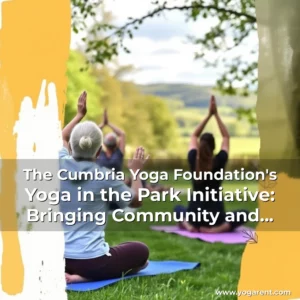
Collaborations between yoga professionals and city planners lead to better design of public parks with designated areas for community yoga sessions. This integration makes wellness activities more visible and accessible to all residents.
Conclusion
The yoga community continues to evolve as a space of profound connection, offering transformative opportunities for personal growth and collective empowerment. Its adaptability allows it to remain relevant amidst changing societal norms and technological advancements.
By actively participating in this thriving network—whether locally or globally—you contribute to a supportive ecosystem that nurtures both individual well-being and communal strength. Embrace your place within this ever-expanding circle of mindful practitioners today.

news is a contributor at YogaRent. We are committed to providing well-researched, accurate, and valuable content to our readers.