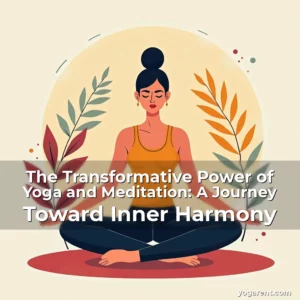
The Transformative Power of Yoga and Meditation: A Journey Within
In an age where stress and digital overload dominate daily life, yoga and meditation offer sanctuary—a way to reconnect with oneself and find peace amidst chaos. This ancient practice is not merely physical exercise but a holistic journey toward mental clarity, emotional balance, and spiritual growth.
Combining breath control, postures, and mindfulness, yoga and meditation have become essential tools for modern individuals seeking wellness beyond conventional methods. Their benefits extend far beyond the mat, influencing every aspect of personal development and well-being.
The Foundations of Yoga and Meditation
Yoga originates from Sanskrit, meaning “to join” or “to unite,” emphasizing harmony between body, mind, and spirit. Its roots trace back over 5,000 years, evolving through various traditions such as Hatha, Vinyasa, Iyengar, and Ashtanga.
Meditation complements these practices by fostering inner stillness. While yoga focuses on physical alignment and breathwork, meditation cultivates awareness and presence, creating a powerful synergy that enhances overall health.
Together, they form a dynamic duo that supports both physiological and psychological well-being. Regular practice can reduce cortisol levels, lower blood pres
- Physical Benefits: Improved flexibility, strength, posture, and balance are common outcomes of consistent yoga practice.
- Mental Clarity: Meditation sharpens focus, reduces anxiety, and promotes emotional resilience by training the brain to stay present.
Historical Roots and Modern Relevance
Originating in ancient India, yoga was initially a spiritual discipline aimed at achieving enlightenment. Over centuries, it transformed into diverse schools of thought, each offering unique approaches to self-realization.
The modern revival of yoga began in the late 19th century when Swami Vivekananda introduced its principles to the West. Today, it has evolved into a global phenomenon practiced across cultures and lifestyles.
Similarly, meditation techniques from Buddhist monasteries and Hindu traditions have been adapted for contemporary use, making them accessible to people worldwide regardless of background or belief system.
This cultural exchange has enriched the practice, allowing individuals to explore different styles without adhering strictly to any particular philosophy or religion.
Beyond Physical Fitness: The Mental Health Aspect
While many approach yoga as a fitness activity, its true potential lies in nurturing mental health. Scientific studies confirm that regular practitioners experience reduced symptoms of depression and anxiety compared to non-practitioners.
Yoga’s emphasis on mindful breathing activates the parasympathetic nervous system, triggering relaxation responses that counterbalance chronic stress. Techniques like pranayama help regulate emotions effectively.
Mindfulness meditation also plays a crucial role here; focusing solely on breath or sensations trains the mind to let go of negative thoughts naturally rather than suppressing them forcefully.
Clinicians increasingly recommend these practices alongside traditional therapies for managing conditions ranging from PTSD to insomnia.
Building Emotional Resilience Through Practice
Emotional intelligence improves significantly with sustained engagement in yoga and meditation. Participants develop greater empathy, patience, and self-awareness through introspective exploration during sessions.
One study published in *Frontiers in Psychology* found that meditators exhibited enhanced emotional regulation abilities due to increased prefrontal cortex activation associated with decision-making processes.
By observing feelings without judgment, individuals learn healthier coping mechanisms instead of reacting impulsively under duress. This skill translates positively into interpersonal relationships too.
Fostering compassion towards oneself becomes easier once someone understands their own emotional patterns better via repeated exposure during meditation periods.
Enhancing Cognitive Function and Focus
Regular meditation strengthens neural pathways responsible for concentration and memory retention. Research indicates that long-term meditators show structural changes in areas related to attention span and executive functioning.
Practices involving visualization or mantra repetition stimulate creativity while sharpening analytical skills necessary for problem-solving tasks efficiently.
A typical session might include guided imagery exercises designed specifically to boost imaginative capabilities useful in artistic pursuits or strategic planning scenarios alike.
Moreover, combining yoga poses requiring coordination with focused breathing deepens one’s ability to multitask gracefully without compromising quality output levels.
Navigating Common Misconceptions About Yoga & Meditation
Many beginners believe they need exceptional flexibility before starting yoga—this couldn’t be further from truth since modifications exist even for those new to movement-based activities.
Stereotypes surrounding meditation often depict it as something only monks do quietly alone, which ignores how adaptable these techniques actually are depending upon individual preferences regarding environment settings.
Some assume you must sit cross-legged for extended durations; however, lying down comfortably works equally well especially when beginning out-of-body experiences aren’t yet familiar territory.
It’s vital understand there isn’t ‘right’ way perform either practice—what matters most consistency effort put forth consistently over time frames suitable personal schedule commitments.
Creating Your Personalized Yoga & Meditation Routine
To build effective routines consider weekly goals aligned with lifestyle demands ensuring sustainability factors remain integral part process itself.
Selecting appropriate style based on current needs helps maintain motivation—whether restorative flow classes suit busy schedules best versus power sessions preferred energetic days ahead.
Dedicate specific times daily uninterrupted spaces ideally quiet environments free distractions enabling deeper connection inward journeys undertaken regularly thereafter.
Tracking progress through journal entries allows identifying patterns emerging gradually revealing insights about what aspects resonate personally most beneficially within framework established thus far.
Community Engagement: Finding Supportive Groups Locally Or Online
Joining local groups provides opportunities meet fellow enthusiasts sharing knowledge exchanging tips encouraging accountability mutually reinforcing commitment toward shared objectives pursued simultaneously together.
Online platforms connect users globally transcending geographical limitations facilitating virtual participation events workshops webinars led experts passionate advocates promoting inclusive atmospheres welcoming newcomers eager discover more information available resources readily accessible anytime convenient manner.
Participating actively within communities fosters sense belonging enhances learning curves accelerating mastery rates achieved quicker than isolated efforts typically yield results otherwise would require longer duration achieving similar milestones individually alone.
Engagement nurtures collective energy amplifying positive effects experienced firsthand thereby strengthening bonds formed amongst participants contributing uniquely distinct perspectives enriching entire ecosystem cultivated collaboratively through combined contributions made collectively whole greater good served universally benefiting everyone involved irrespective varying degrees expertise levels possessed beforehand entering arena initially unfamiliar terrain previously unknown realms explored subsequently discovered later stages progression along continuum traversed continuously forward direction maintained indefinitely until eventually reaching destinations originally envisioned setting forth commencement stage initiating endeavor embarked upon initially.
Conclusion
The integration of yoga and meditation into daily life offers profound transformations extending far beyond initial expectations set prior embarking upon adventures awaiting discovery ahead.
Through dedicated practice, individuals cultivate resilience against adversity develop sharper minds capable navigating complexities encountered routinely facing challenges head-on armed newfound wisdom gained enduring lessons learned lifelong companions guiding paths illuminated brightly whenever uncertainties arise needing reassurance support always nearby ready assist whenever required assistance sought earnestly desired genuinely appreciated sincerely thanked deeply cherished forevermore.

news is a contributor at YogaRent. We are committed to providing well-researched, accurate, and valuable content to our readers.