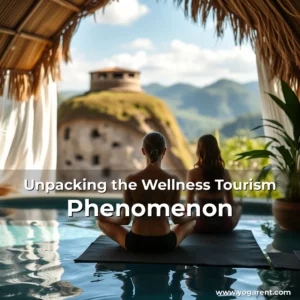
The world is witnessing a significant shift in the way people approach travel and wellness. In recent years, the concept of wellness tourism has gained immense popularity, and by 2025, it is expected to become a global consumer market. This phenomenon is redefining the way people experience travel, with a focus on rejuvenation, cultural immersion, and holistic well-being.
Destination Highlights
- Israel: The Dead Sea
- Antalya, Turkey: Mediterranean Serenity
- Bali, Indonesia: Island of Enlightenment
- Iceland: Healing in the Land of Fire and Ice
- Kerala, India: Ayurveda and Beyond
The Dead Sea, located in Israel, is a natural sanctuary that offers a unique opportunity for rest and healing. The mineral-rich waters and mud provide a tranquil environment for skin rejuvenation and mental clarity. Visitors can indulge in luxurious spas that blend ancient remedies with modern wellness amenities. Antalya, Turkey, is another destination that offers a blend of natural beauty and premium wellness. The city is famous for its spa resorts, Turkish hammams, and innovative treatments that combine tradition and luxury. Surfers can enjoy yoga on sunny beaches or hike through the scenic trails of the Taurus Mountains. Bali, Indonesia, is a spiritual paradise that offers a holistic wellness approach. Detox programs, yoga, and meditation retreats are set amidst the lush rice terraces and pristine beaches. The island’s holistic approach to wellness draws from local traditions, resulting in an immersive and revitalizing experience. Iceland, known for its geothermal hot springs and landscapes, has become a favorite destination for wellness enthusiasts. The Blue Lagoon, with its warm and mineral-rich waters, is a must-visit for relaxation and skin therapy. Guided tours to Iceland’s glaciers and waterfalls provide a unique sense of nature and physical and emotional well-being. Kerala, India, is known for its Ayurveda retreat program, which offers a personalized wellness retreat based on the foundation of early Indian medicine. Visitors can experience treatments such as herbal massages, yoga therapy, and soak in the backwaters and coastal landscapes.
Bridging Wellness Across Cultures
The connection between travelers on wellness tourism and diverse cultures, and healing traditions, is special. The opportunity for enriching engagements with heritage is a significant aspect of this trend. For example, Israel’s Dead Sea, Antalya’s Turkish hammams, Bali’s tranquil yoga retreats, and Iceland’s geothermal spas like the Blue Lagoon are all examples of this principle. These destinations offer a unique blend of ancient practices and modern luxury, making it a serene escape for travelers. Wellness hubs throughout the world provide the opportunity for individuals to support and develop their self-care, while being involved with a culture.
The Evolution of Global Wellness Tourism
The market for wellness tourism is expected to be driven by inclusivity, innovation, and cultural exchange. This booming industry has left its boundaries and provides travelers with an experience that comprises a holistic well-being of physical, mental, and spiritual parts. The incorporation of the latest technology, the holiday of past healing traditions, and the growing availability of well-being retreats indicate a secure horizon. Luxury and sustainability will merge, with destinations using these practices without sacrificing top services. In the coming decades, personal wellness programs, powered by data and digital tools, will provide a new definition of self-care at a global scale. This has ensured that the next chapter of global wellness tourism remains an inspiration, a connection, and an empowerment of all those found on continents around the world.
Conclusion
Global wellness tourism is a new era of rejuvenation that is redefining the way people experience travel. With a focus on holistic well-being, cultural immersion, and personal growth, this trend is expected to continue to evolve and grow in the coming years. As the industry continues to innovate and merge luxury and sustainability, it is likely to become a significant player in the global tourism market.