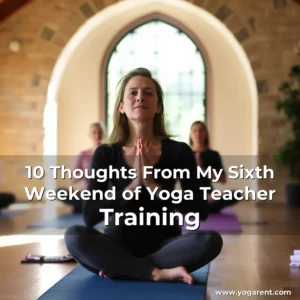
Here are some tips for finding the perfect yoga practice for you.
Finding the Perfect Yoga Practice
Yoga is a highly personal and individualized practice. What works for one person may not work for another.
Examples include:
The Importance of Traction in Preventing Falls
Falls are a significant concern for many individuals, particularly the elderly and those with mobility issues. According to the Centers for Disease Control and Prevention (CDC), falls are the leading cause of injury and death among older adults in the United States. One of the most effective ways to prevent falls is by providing traction in high-risk areas.
Understanding Traction
Traction refers to the resistance or grip provided by a surface or object to prevent slipping or sliding. In the context of fall prevention, traction is essential for maintaining balance and stability, especially on smooth or slippery surfaces.
Types of Traction
There are several types of traction that can be used to prevent falls:
Preparing for a Yoga Practice
Before starting a yoga practice, it’s essential to prepare the space and the body. This includes setting up the yoga block, belt, and any other props that may be needed. Here are some tips to help you prepare:
What to Do Schedule it in permanent marker. Early mornings work really well as the distractions of the day are not yet in motion, nor is there workday fatigue or a heavy meal. Get up, get it done, and start the day. Or, choose what works best, but the idea is to have a time, be it fifteen minutes or an hour and a half, devoted to yoga. Be basic. Seek out free classes for some initial exposure or have a friend demonstrate some basics. Going into practice with no knowledge of poses is a bit much, but still possible. There are plenty of easy poses that are already familiar to compile a decent routine to get you started. Even simply doing ten or more salutations is a great workout, as well as meditative and easy to remember.
However, as time goes on, it’s not uncommon for people to start to feel the strain of a regular schedule. This is where the key to success lies – flexibility.
The Importance of Flexibility in a Workout Routine
When it comes to working out, many people get caught up in the idea that they need to stick to a strict schedule. They might feel like they need to go to the gym every day, or that they need to follow a specific routine to see results. However, this approach can lead to burnout and frustration. By incorporating flexibility into your workout routine, you can avoid this and achieve your fitness goals.
Benefits of Flexibility
How to Incorporate Flexibility into Your Workout Routine
Setting Realistic Goals
When it comes to incorporating flexibility into your workout routine, it’s essential to set realistic goals.
Yoga is a practice that aims to bring balance and harmony to the body, mind, and spirit. It is a holistic approach to health and wellness that has been practiced for thousands of years, originating from ancient India.
The Origins of Yoga
Yoga has its roots in Hinduism and dates back to the Indus Valley Civilization, around 3000 BCE. The word “yoga” is derived from the Sanskrit word “yuj” meaning “to unite” or “to join.” The practice of yoga was initially used as a spiritual discipline to unite the individual self (jiva) with the universal self (Brahman).