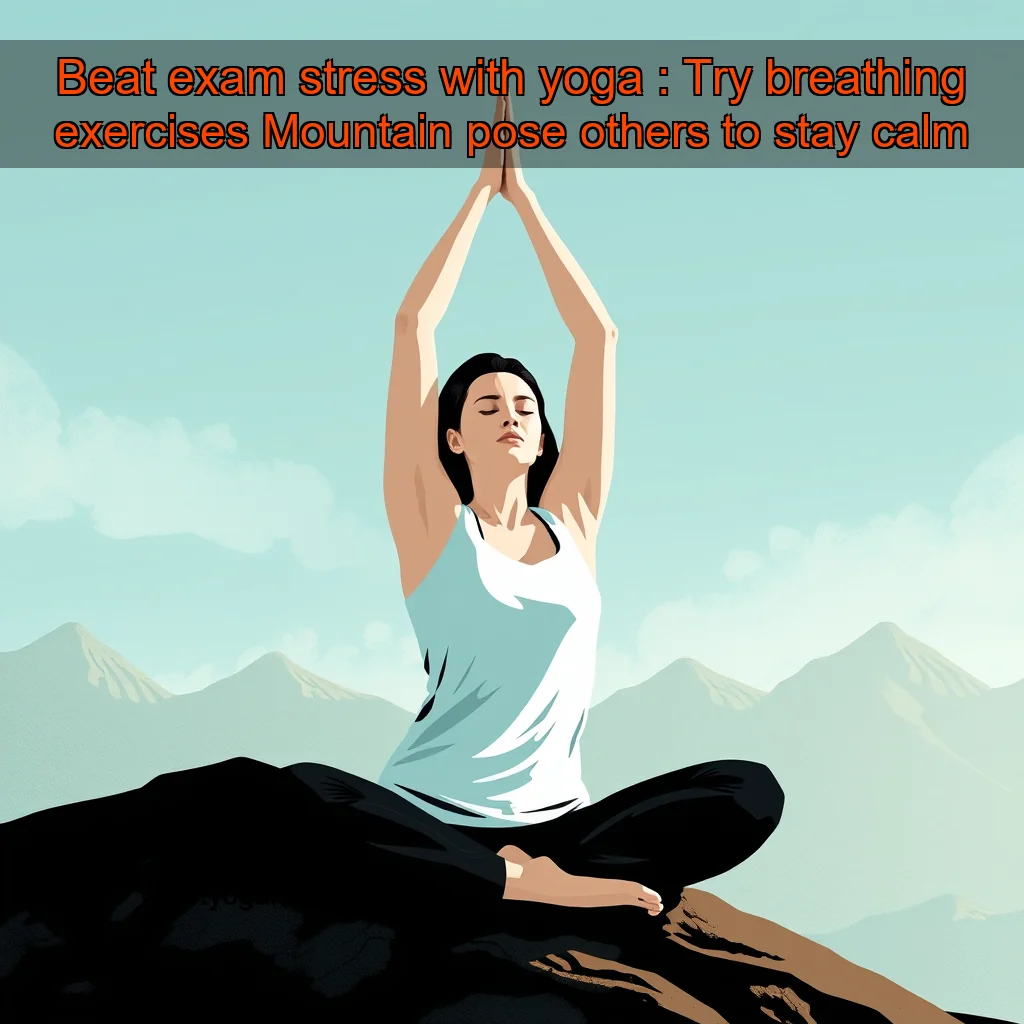
In this article, we will explore the effects of stress on the body and provide tips on how to manage stress during exams.
Understanding Stress
Stress is a natural response to a perceived threat or demand. When the body perceives a threat, it triggers the release of stress hormones, such as cortisol and adrenaline. These hormones prepare the body for the “fight or flight” response, increasing heart rate, blood pressure, and energy levels.
Understanding Exam Stress
Exam stress is a common phenomenon that affects students worldwide. It can manifest in various ways, including mental, emotional, and physical symptoms. According to Dr. Shetty, exam stress can be broadly categorized into three main forms:
The Role of Yoga in Managing Exam Stress
Dr.
Cultivating mental clarity through yoga practice.
Regular practice also enhances cognitive function, including memory and problem-solving skills.
The Benefits of Yoga for Mental Clarity
Yoga is often associated with physical postures, but its benefits extend far beyond the physical realm. One of the most significant advantages of yoga is its impact on mental clarity. By incorporating yoga into your daily routine, you can experience improved focus, concentration, and mental well-being.
How Yoga Affects the Brain
When practiced regularly, yoga has been shown to increase the production of neurotransmitters such as serotonin and dopamine, which play a crucial role in regulating mood and cognitive function. This can lead to a range of benefits, including:
The Role of Certain Poses in Enhancing Mental Clarity
Certain yoga poses are particularly effective in improving mental clarity and focus. Some of the most beneficial poses include:
Regular yoga practice can also improve sleep quality, boost mood, and increase energy levels.
The Benefits of Yoga for Students
Yoga is often overlooked as a valuable resource for students, but it can have a significant impact on their physical and mental well-being. By incorporating yoga into their daily routine, students can experience a range of benefits that can improve their academic performance and overall quality of life.
Reducing Stress and Anxiety
Improving Physical Health
Enhancing Mental Clarity and Focus
Vinyasa Krama: This flowing sequence of postures helps build strength and flexibility. Ashtanga Vinyasa: This dynamic practice combines postures, breathing, and movement to create a holistic workout. Kundalini Yoga: This spiritual practice focuses on awakening the energy at the base of the spine. Yoga Nidra: This deep relaxation technique helps reduce stress and anxiety.
Breathing Exercises for Exam Stress Relief
Breathing exercises are a crucial component of yoga for managing exam stress. By regulating the breath, individuals can calm the nervous system and reduce feelings of anxiety. Here are some breathing exercises that can help:
Meditation for Exam Stress Relief
Meditation is another powerful tool for managing exam stress.
These three yoga poses are often practiced together in a sequence to enhance their benefits.
Introduction
Yoga is an ancient practice that originated in India over 5,000 years ago. It is a holistic system that combines physical postures, breathing techniques, and meditation to promote overall well-being. In this article, we will explore three yoga poses that are often practiced together: Vrikshasana (Tree pose), Garudasana (Eagle pose), and Balasana (Child’s pose).
Benefits of Practicing Vrikshasana
Vrikshasana, also known as Tree pose, is a foundational standing pose that improves concentration and stability. To practice Vrikshasana, stand on one leg, with the other foot resting against the inner thigh. Engage your core, lift your arms overhead, and gaze forward. Hold for 30 seconds to a minute, breathing naturally.