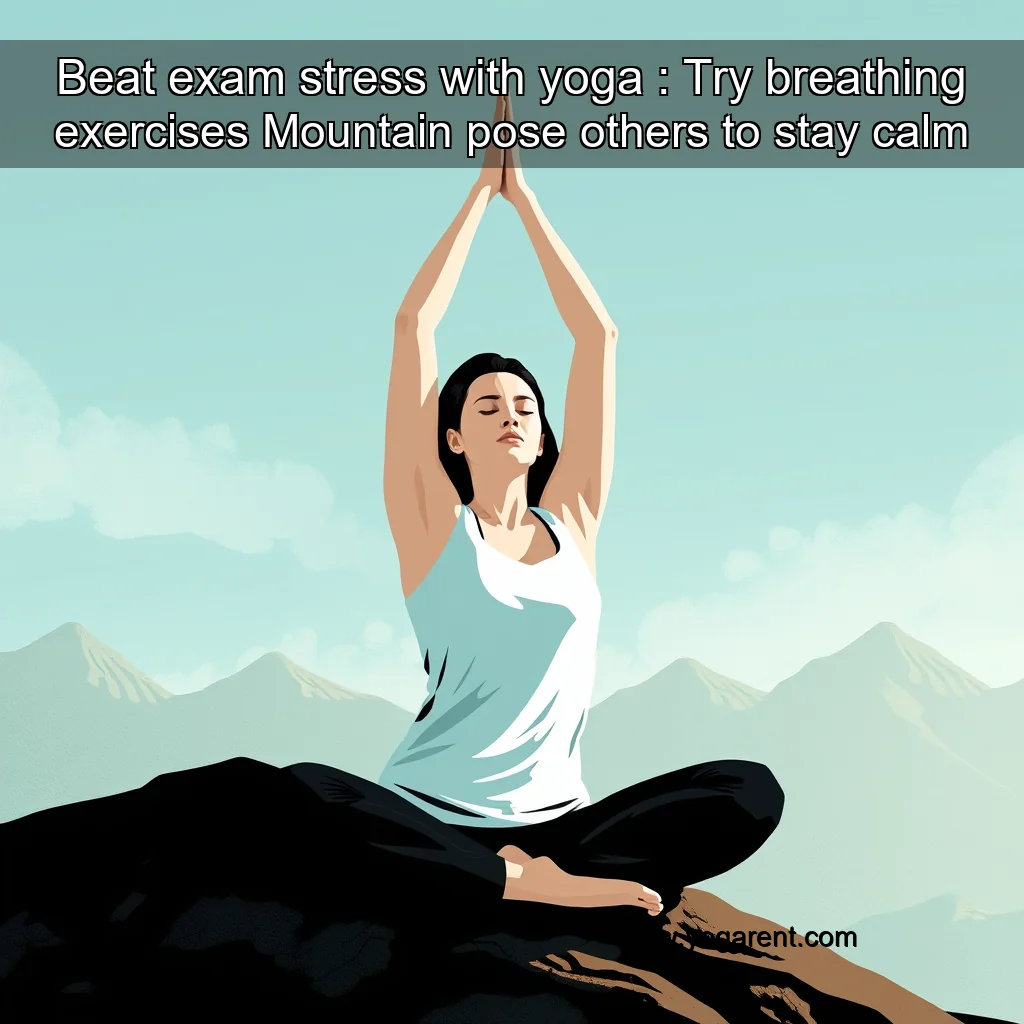
Dr Shetty, a renowned expert in stress management, emphasizes the importance of recognizing and addressing stress early on.
Understanding Stress
Stress is a complex and multifaceted phenomenon that affects individuals in different ways. It can be acute or chronic, depending on the duration and intensity of the stressor. Acute stress is a short-term response to a specific situation, while chronic stress is a prolonged and persistent state of stress that can have long-term consequences. Key characteristics of acute stress: + Intense emotional response + Physical symptoms such as rapid heartbeat and sweating + Impaired cognitive function + Increased risk of anxiety and depression
+ Prolonged emotional response + Physical symptoms such as fatigue and insomnia + Impaired cognitive function and memory + Increased risk of cardiovascular disease and other chronic conditions
The Impact of Stress on the Body
When the body experiences stress, it activates the hypothalamic-pituitary-adrenal (HPA) axis, a complex neuroendocrine system that regulates the body’s response to stress. The HPA axis releases stress hormones, such as cortisol and adrenaline, which prepare the body for the “fight or flight” response. The effects of stress on the body: + Increased blood pressure and heart rate + Increased glucose levels in the blood + Suppressed immune function + Disrupted sleep patterns + Weakened immune system
Managing Stress
Recognizing and addressing stress early on is crucial for maintaining overall well-being.
Exam Stress: Understanding the Three Main Forms
Exam stress is a common phenomenon that affects students worldwide. It can manifest in various ways, impacting not only academic performance but also overall well-being. Dr. Shetty emphasizes that understanding the three main forms of exam stress is crucial to develop effective strategies for managing it.
Mental Stress
Mental stress is characterized by feelings of anxiety, worry, and fear. Students may experience mental stress due to the pressure to perform well, fear of failure, or the fear of not meeting expectations.
The Warrior pose (Virabhadrasana) enhances strength and flexibility. Yoga also helps reduce stress and anxiety, promoting relaxation and calmness.
Downward-facing dog (Adho Mukha Svanasana) stretches the hamstrings and calves. Warrior II (Virabhadrasana II) strengthens the legs and hips. Tree pose (Vrksasana) improves balance and focus. Seated forward bend (Paschimottanasana) stretches the back and hips. Plank pose (Phalakasana) strengthens the core and improves posture.
The Benefits of Yoga for Students
Yoga is often overlooked as a valuable resource for students, but it can have a significant impact on their physical and mental well-being. Long hours of studying can take a toll on the body, leading to muscle strain, poor posture, and eye strain. However, yoga can help alleviate these issues and improve overall health.
Reducing Stress and Anxiety
Yoga is not just a physical practice, but also a mental one.
Breathing is the key to unlocking the body’s energy and promoting overall well-being.
Yoga: Combining breathing exercises, meditation, and physical postures can enhance overall well-being.
The Power of Breath and Mindfulness
Understanding the Connection
The connection between breathing and mindfulness is rooted in the concept of energy flow in the body. The body’s energy channels, or nadis, are believed to be influenced by the breath. When the breath is shallow and irregular, it can lead to blockages in these energy channels, causing physical and mental discomfort.
These three yoga poses are often used in yoga classes to help students improve their balance, flexibility, and mental clarity.
Introduction
Yoga is an ancient practice that originated in India over 5,000 years ago. It is a holistic practice that combines physical postures, breathing techniques, and meditation to promote overall well-being. With its rich history and numerous benefits, yoga has become a popular form of exercise and stress relief around the world. In this article, we will explore three yoga poses that are commonly used in yoga classes to improve balance, flexibility, and mental clarity.
Vrikshasana (Tree Pose)
Vrikshasana, also known as Tree pose, is a balancing posture that requires focus and concentration. To practice Vrikshasana, stand on one leg, with the other foot resting against the inner thigh. Engage your core muscles and lift your arms overhead, with your palms facing forward. Hold the pose for 30 seconds to a minute, breathing deeply and focusing on your breath.