Designing Sanctuary Spaces: How Yoga Studios Shape Community Wellness
In today’s fast-paced world, yoga studios are more than just places to roll out a mat—they’re evolving into dynamic hubs of wellness, connection, and mindfulness. From urban retreat centers to rural ashrams, the way we create and experience yoga spaces profoundly influences our practice and sense of belonging.
The design, ambiance, and accessibility of yoga spaces directly impact practitioners’ mental and physical well-being. Whether you’re renting a studio through platforms like Yogarent or seeking inspiration for your own space, understanding the nuances of these environments can transform your journey toward holistic health.
The Essence of a Thoughtful Yoga Space
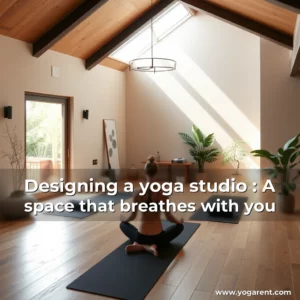
A yoga space isn’t defined solely by its size or location; it’s shaped by intentionality. Every element—from lighting to flooring—contributes to creating an atmosphere conducive to relaxation, focus, and growth. A well-designed studio becomes a sanctuary where students feel safe to explore movement, breathwork, and meditation.
The importance of acoustics cannot be overstated. Soft sound insulation, ambient music choices, and mindful placement of props ensure that noise doesn’t disrupt the meditative quality of sessions. These small adjustments foster deeper concentration and emotional balance during practice.
- Natural light: Windows positioned strategically allow sunlight to filter through, reducing artificial lighting dependence and enhancing mood.
- Eco-friendly materials: Bamboo floors, recycled wood furniture, and non-toxic paints promote sustainability and minimize allergens.
Cultural considerations also play a role in shaping a meaningful space. Incorporating elements reflective of local traditions, art, or spiritual symbols can deepen the connection between practitioners and the environment. This inclusivity fosters respect for diverse practices and backgrounds.
Mobility and accessibility are equally vital. Ramps, wide doorways, and adjustable equipment ensure that individuals of all abilities can participate fully. By prioritizing universal design principles, studios demonstrate a commitment to equity and inclusion.
The Role of Technology in Modern Yoga Spaces
Digital tools have revolutionized how yoga studios operate and interact with communities. Online booking systems, virtual class access, and social media engagement platforms streamline administrative tasks and expand outreach. However, technology integration must align with the serene ethos of yoga to avoid overstimulation.
Sensors and smart thermostats optimize energy efficiency while maintaining ideal room temperatures. Some advanced studios even employ air purification systems equipped with HEPA filters, ensuring clean breathing conditions regardless of outdoor pollution levels.
Virtual vs. In-Person Experiences
The rise of online yoga classes has redefined expectations for both instructors and renters. While digital options offer convenience, they lack the tactile warmth of face-to-face interactions. Many successful studios blend hybrid models, providing flexibility without compromising the intimacy of live sessions.
Data analytics tools now enable rental owners to track usage patterns and preferences. This insight informs decisions about scheduling, class offerings, and even renovation projects, helping maintain relevance in competitive markets.
Balancing tech innovation with traditional values remains key. For instance, some studios implement “digital detox” zones where phones are discouraged, reinforcing present-moment awareness central to yoga philosophy.
Community Building Through Shared Spaces
Yoga spaces often serve as cultural anchors for neighborhoods, hosting events beyond standard classes. Workshops on nutrition, mindfulness seminars, and group challenges create opportunities for bonding among members of varying skill levels.
Cooperative ownership models empower local residents to contribute to decision-making processes. When communities invest collectively in a yoga space, they develop stronger ties and shared responsibility for maintenance and programming.
Kids’ programs, senior circles, and intergenerational gatherings further enrich the social fabric of these locations. Such initiatives not only attract broader demographics but also nurture empathy and cross-generational learning.
Renters benefit immensely from fostering partnerships with nearby businesses. Collaborations with cafes, herbalists, or fitness trainers enhance the overall experience, creating ecosystems that support wellness holistically.
Feng Shui Principles in Yoga Studio Design
Applying feng shui concepts enhances energy flow within yoga spaces. Arranging furniture according to cardinal directions, incorporating water features for calming effects, and using earth tones to ground practitioners are common strategies employed by designers.
Avoiding cluttered layouts prevents stagnation in chi—the life force energy believed to influence moods and vitality. Open floor plans with designated zones for stretching, resting, and cooling down promote smooth transitions between activities.
The placement of mirrors reflects light naturally and symbolically expands perceived space. Strategically located plants add vibrancy while improving indoor air quality—a win-win for both aesthetics and health.
Personalizing areas based on individual needs supports diverse practitioners. Quiet corners with cushions cater to those needing extra stillness, whereas open mats accommodate active flows. This adaptability respects varied approaches to movement and meditation.
Lighting Strategies for Optimal Practice
Luxurious soft lighting during sunset poses contrasts sharply with bright overhead bulbs used for vigorous vinyasa sequences. Adjustable LED strips and dimmer switches allow seamless shifts between illumination modes tailored to different styles of practice.
Incense burners placed away from direct airflow disperse aromas subtly, enhancing sensory experiences without overpowering scents. Essential oil diffusers provide similar benefits with greater control over intensity and duration.
Task lighting near props and accessories ensures visibility without glare. Warm-toned bulbs mimic natural daylight cycles, supporting circadian rhythms and minimizing eye strain during extended sessions.
Emergency exit signs and fire alarms remain unobtrusive yet functional. Their discreet presence reassures users of safety protocols without interrupting the tranquil ambiance cultivated intentionally.
Seasonal Adaptations in Yoga Spaces
Adjustments made seasonally reflect changing needs and environmental factors. During colder months, additional blankets and heated rooms support comfort, while summer brings concerns about humidity and ventilation.
Flexible seating arrangements accommodate seasonal variations in attendance. Folding chairs stored neatly during high-demand periods free up space for props and mats when needed most.
Outdoor spaces integrated into yoga centers offer unique advantages year-round. Covered patios shield against rain, while sun-drenched lawns invite barefoot practice during warmer seasons.
Weather monitoring apps alert managers to potential disruptions caused by storms or extreme heatwaves. Proactive measures such as rescheduling classes or implementing alternative indoor options mitigate negative impacts on regular routines.
Ensuring Safety Standards in Rental Properties
Rental agreements must clearly outline safety responsibilities for both landlords and tenants. Regular inspections of electrical wiring, plumbing, and structural integrity prevent hazards before incidents occur.
Fire extinguishers mounted visibly along walls comply with legal mandates while remaining accessible in emergencies. Smoke detectors installed in hallways and entryways form early warning systems effective across various building types.
Non-slip flooring treatments applied annually ensure stability on wet surfaces. Prompt cleaning after spills reduces risks associated with accidents due to slick patches formed overnight.
Security cameras positioned outside entrances deter unauthorized access while respecting privacy laws. Visible signage indicating camera coverage provides transparency without invading personal freedoms excessively.
Creating Multi-Functional Zones Within Limited Spaces
In compact rentals, creative zoning maximizes utility. Movable partitions or folding screens separate rest areas from practice regions efficiently without permanent construction efforts.
Modular shelving units store supplies vertically rather than horizontally, saving precious square footage typically consumed by horizontal storage solutions.
Roll-out rugs define boundaries visually without requiring fixed installations. Their portability allows easy rearrangement depending on daily schedule changes or special event preparations.
Wall-mounted racks hold yoga blocks, straps, and other paraphernalia neatly organized above head level. This keeps walkways clear while ensuring quick access whenever required.
Engaging With Local Regulations Regarding Yoga Businesses
Understanding municipal codes governing commercial operations is essential for compliance. Zoning classifications determine permissible uses of property, affecting everything from signage regulations to occupancy limits.
Obtaining permits for renovations or new constructions avoids costly fines later. Consultation with city officials clarifies exact requirements beforehand, preventing surprises mid-project timelines.
Insurance policies covering liability claims protect against unexpected damages or injuries sustained onsite. Comprehensive coverage includes protection from natural disasters as well as human error scenarios.
Participation in neighborhood associations fosters goodwill relationships beneficial for future negotiations regarding rent increases or policy updates impacting business operations directly.
Building Long-Term Relationships Between Renters And Landlords
Transparent communication establishes trust foundations necessary for lasting partnerships. Sharing goals related to property improvements encourages collaborative problem-solving when conflicts arise inevitably.
Regular feedback loops maintained via surveys or informal conversations highlight areas needing attention objectively. This data-driven approach prevents assumptions clouding judgment regarding real issues facing either party involved.
Joint ventures exploring revenue-sharing possibilities increase mutual investment interests aligned towards common objectives. Profit distribution models designed fairly motivate continued cooperation sustainably over time frames extending beyond initial lease durations.
Conflict resolution mechanisms agreed upon upfront resolve disputes amicably without resorting destructive legal battles draining resources unnecessarily. Mediation services accessed jointly preserve professional reputations intact despite disagreements encountered occasionally.
Conclusion
From architectural choices influencing mood to technological integrations enhancing functionality, every aspect contributes meaningfully to cultivating exceptional yoga spaces. Embracing creativity alongside practicality defines successful studios capable of nurturing generations of practitioners effectively.
To thrive amidst competition, prioritize community engagement relentlessly. Offer inclusive programs welcoming everyone irrespective of background differences. Foster connections transcending mere transactions by treating renters as valued partners invested similarly deeply in shared missions promoting global wellness journeys authentically.